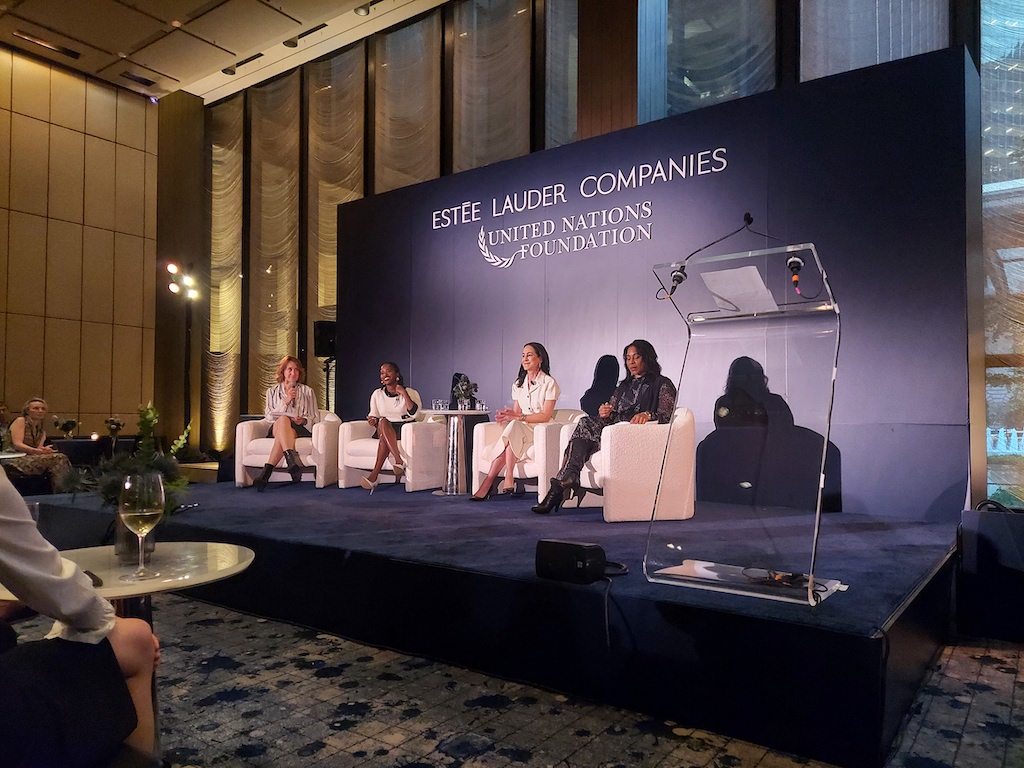
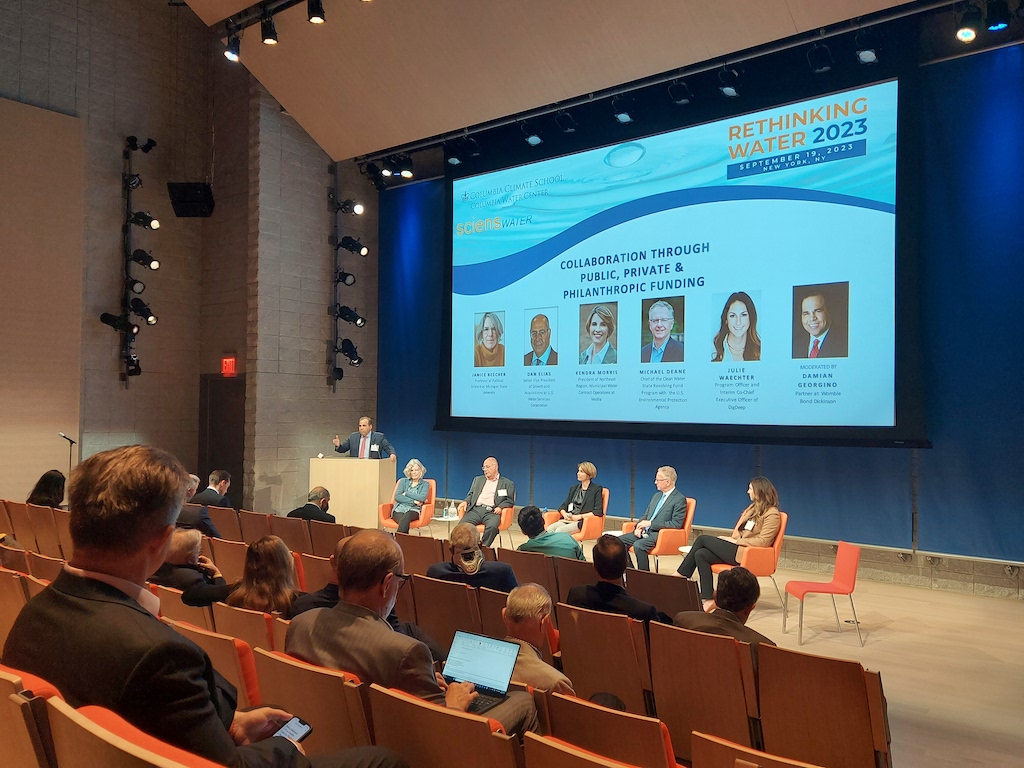
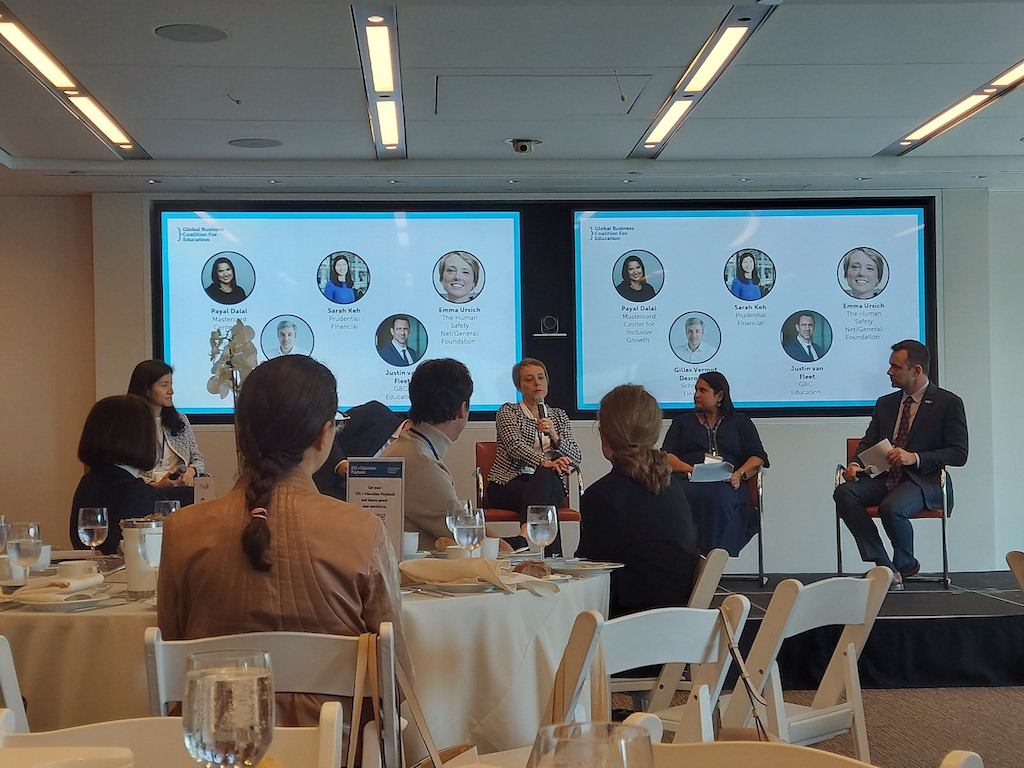
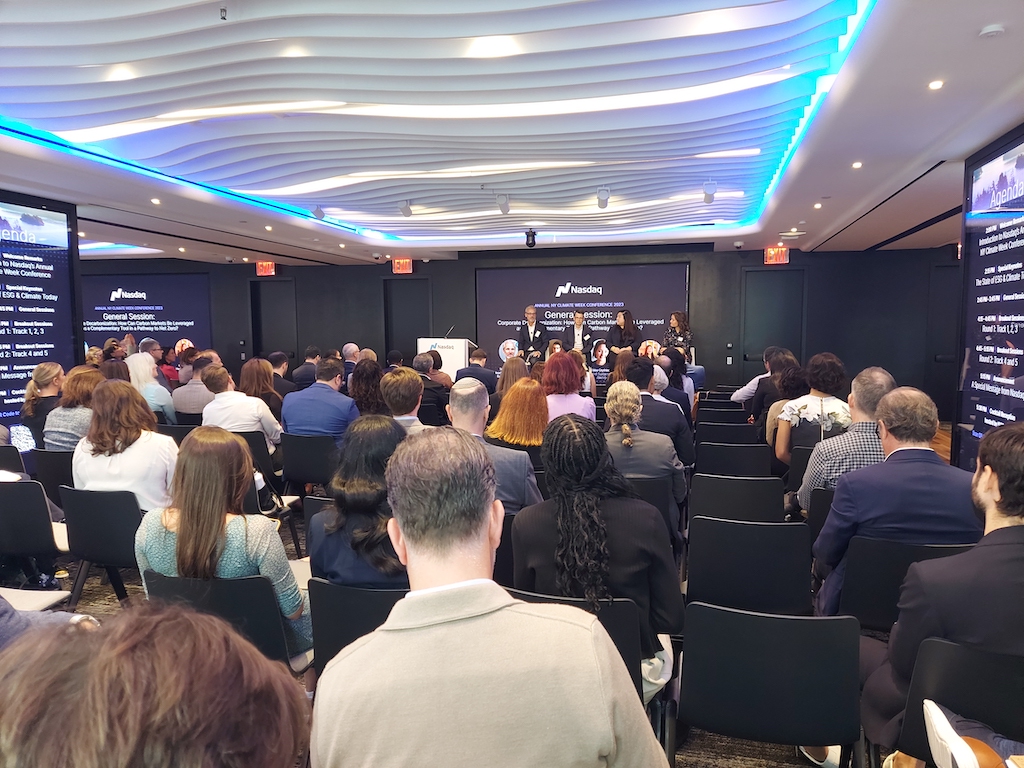
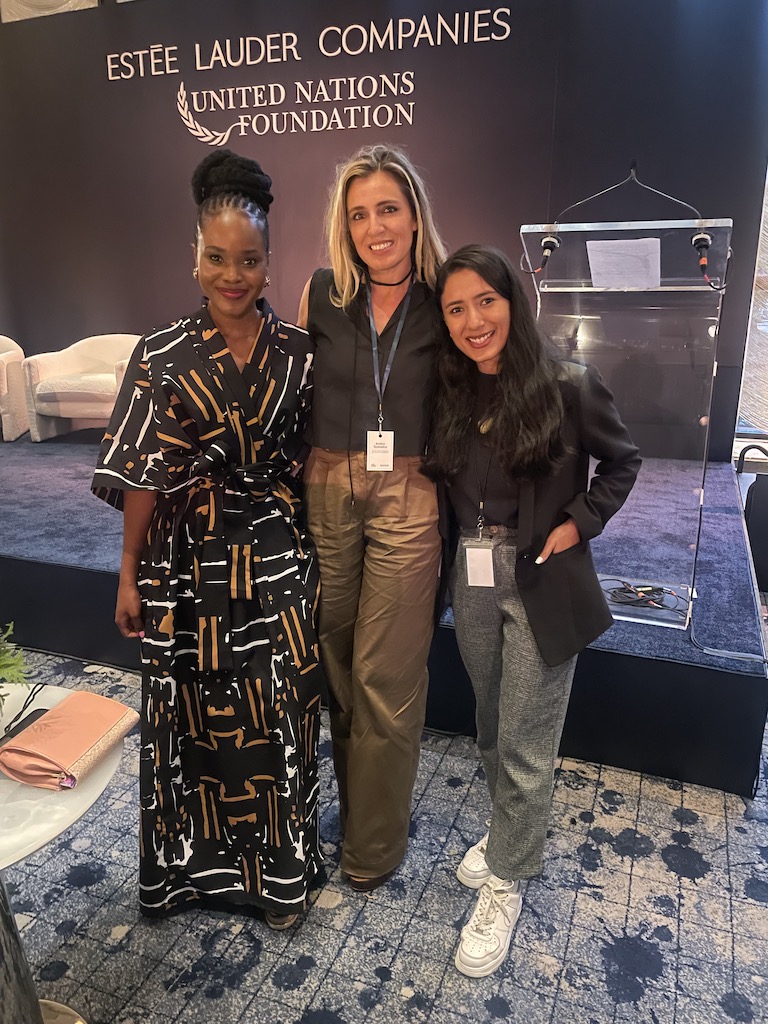
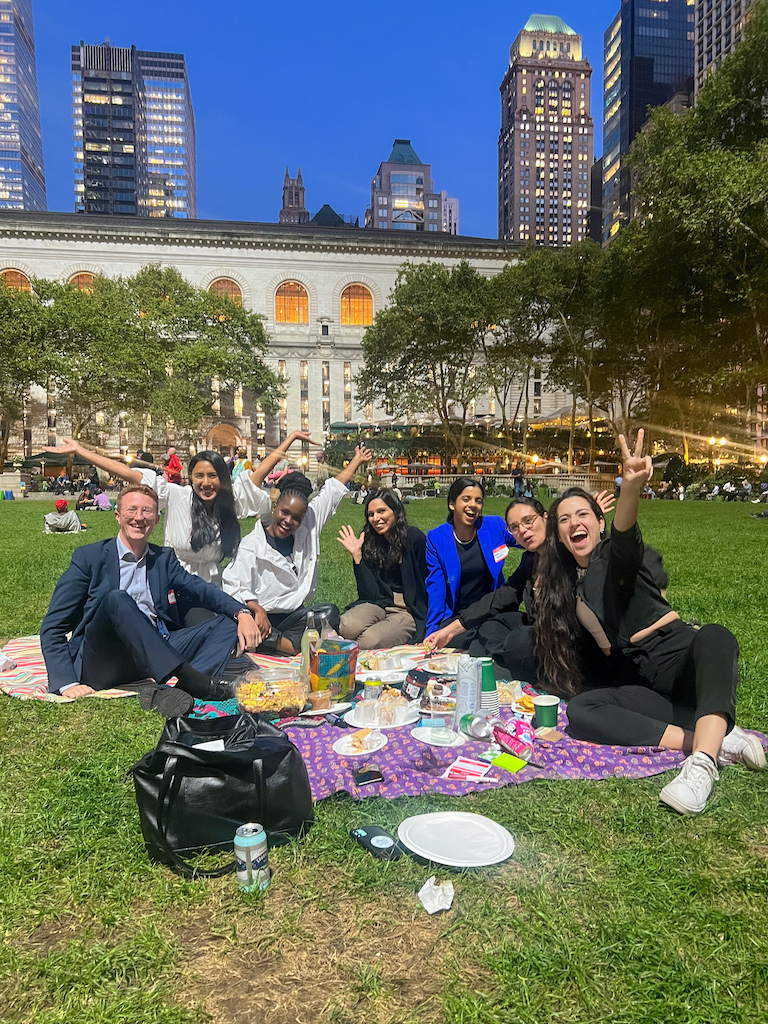
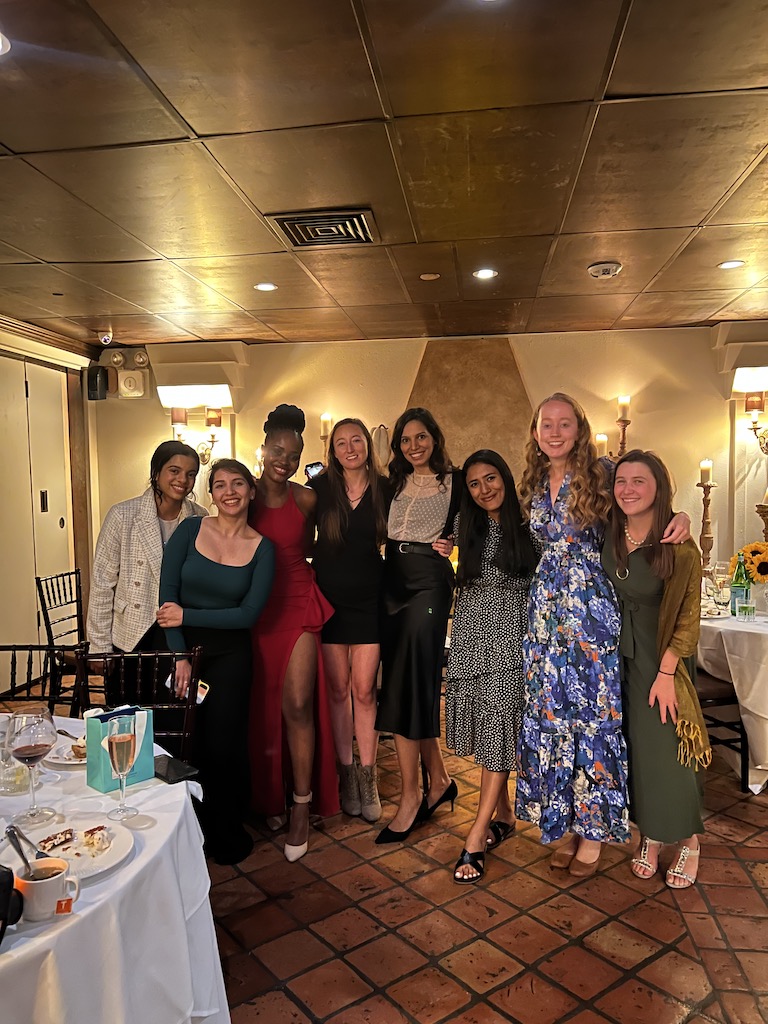
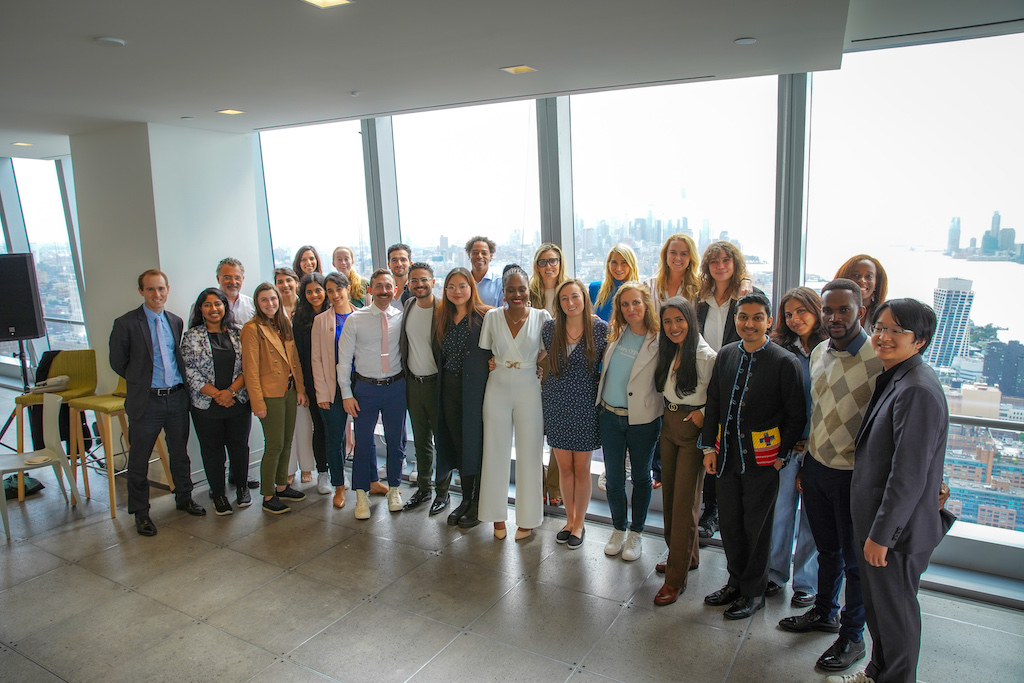
Meeting hundreds of like-minded individuals, policymakers, and world leaders, and engaging in intergenerational dialogues, significantly enhanced my leadership skills and allowed me to build a robust network of professionals and advocates.
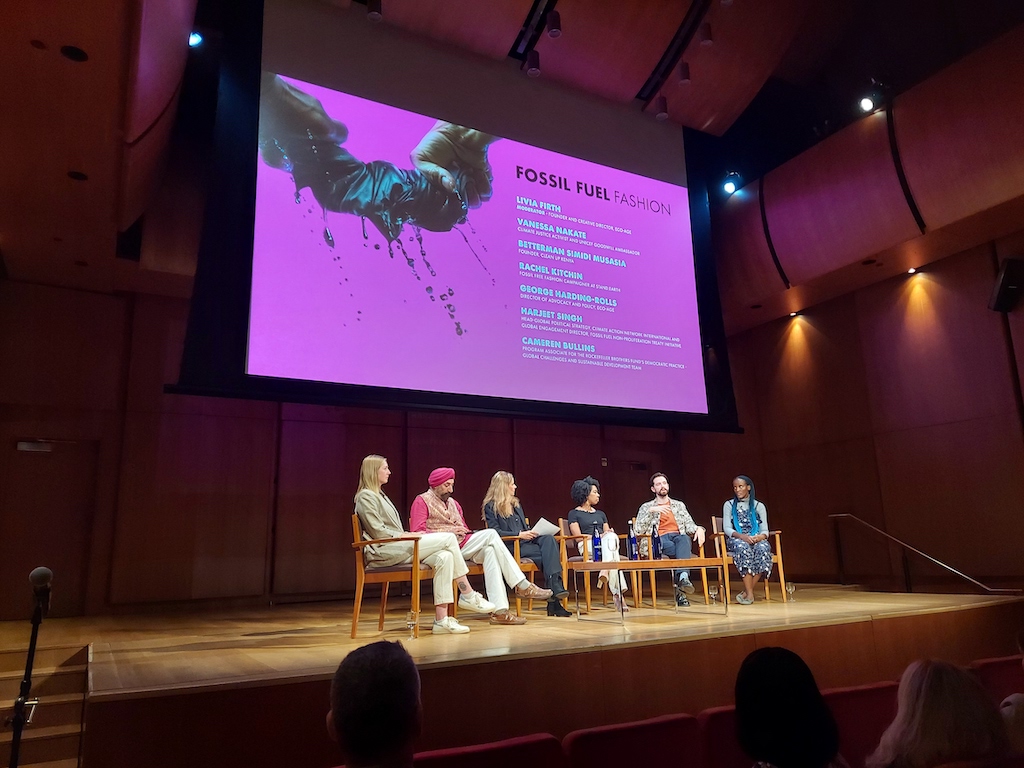
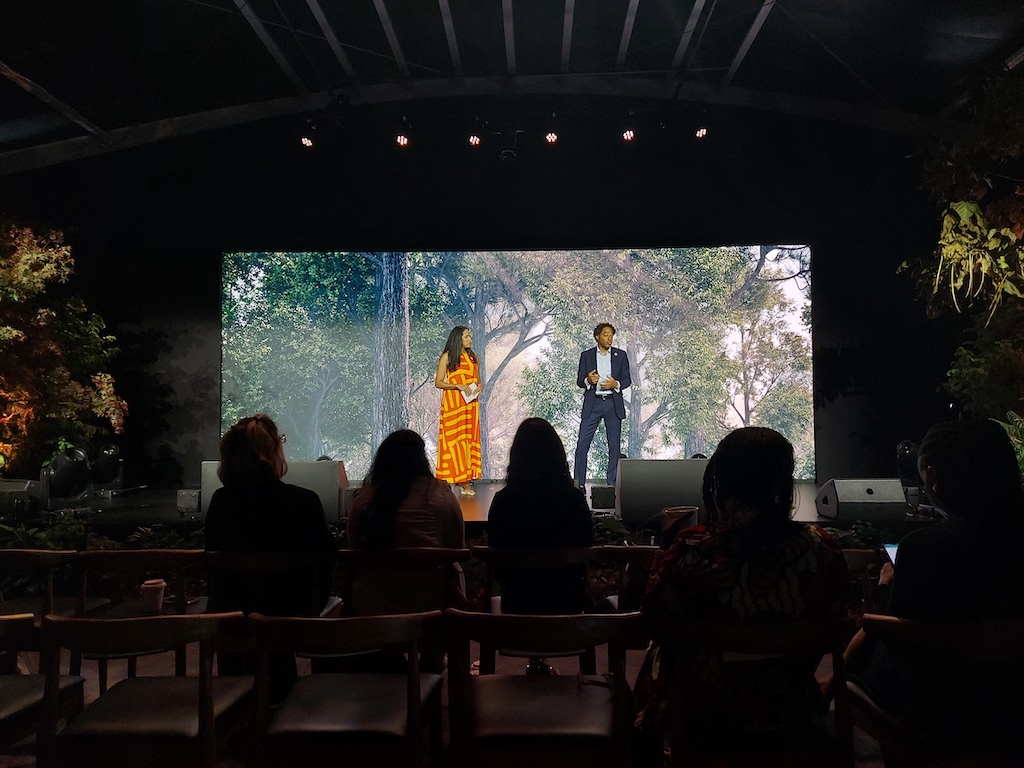
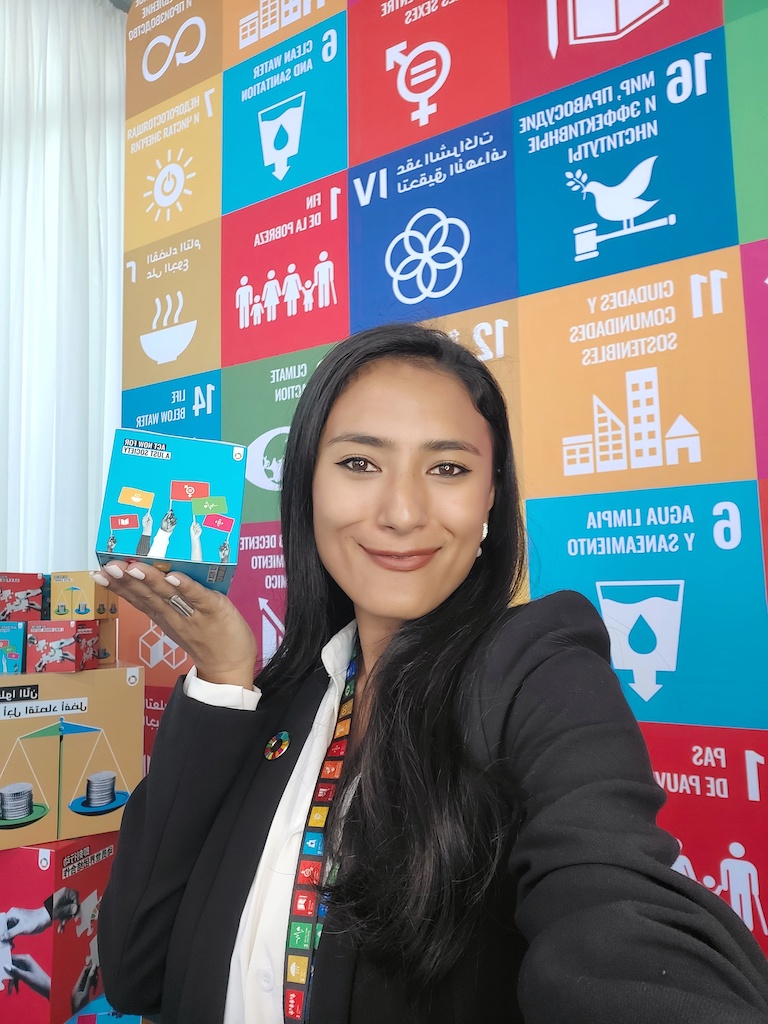
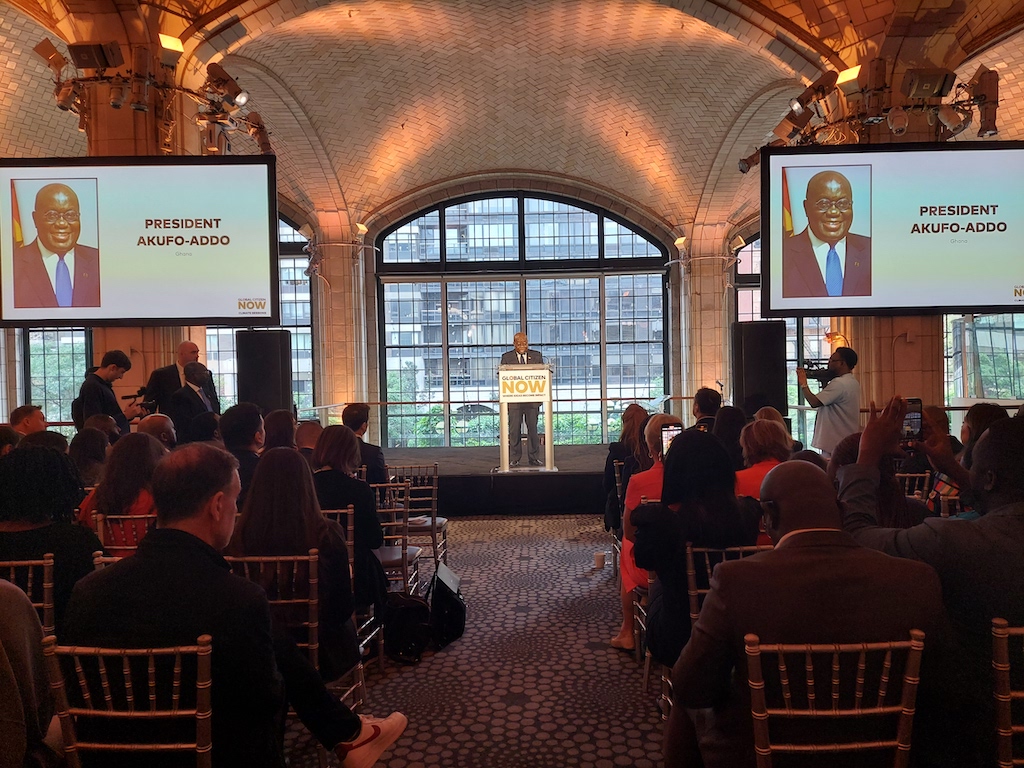
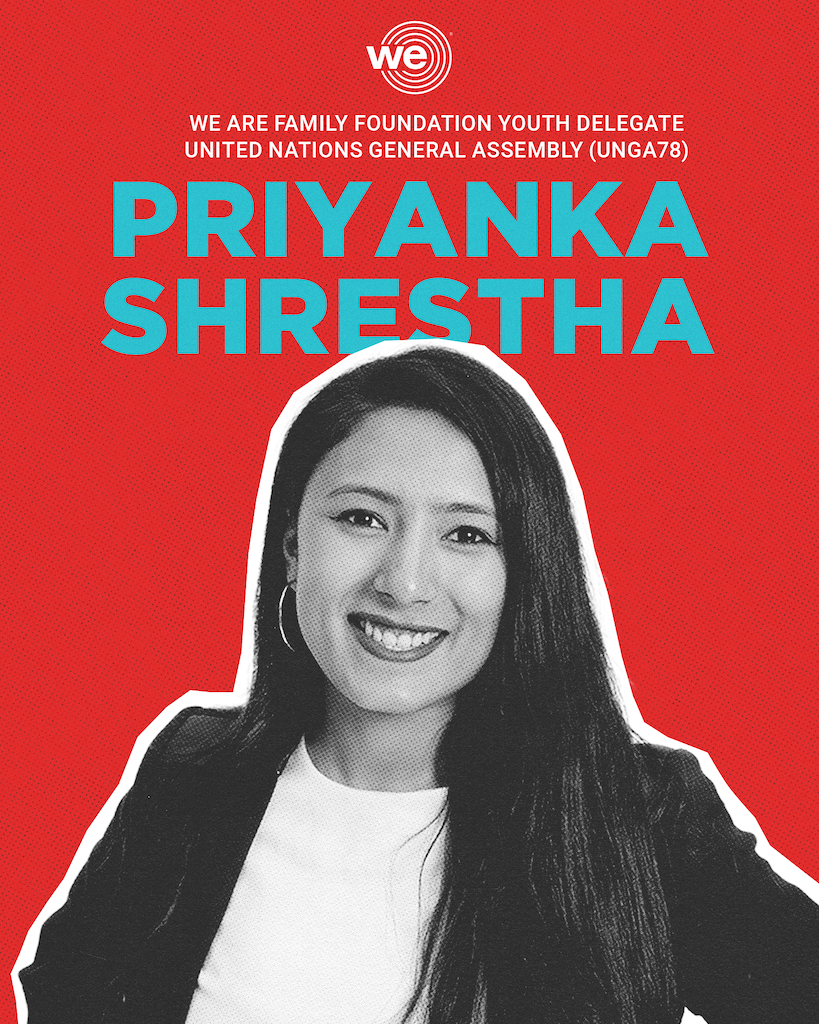
I am back home from New York City after participating in the 78th session of the United Nations General Assembly (UNGA78) from September 16-23, 2023 as a member of the historic first Youth Delegation of We Are Family Foundation’s Youth To The Table (YTTT) program.
It was a very proud moment for me to represent Nepal and the voice of young people in conversation with eminent personalities, policymakers, diplomats, UN officials, journalists, business leaders, indigenous communities, civil society, women and fellow young people from all around the world.
My Journey from Nepal to UNGA78
I was selected as one of nine young women by the We Are Family Foundation (WAFF) to represent Nepal and global youths at the United Nations General Assembly 2023 for my work on youth leadership, gender equality and climate justice. My ongoing initiatives include advancing new-generation leadership, advocating and campaigning for climate actions and promoting environment-friendly lifestyles.

Before UNGA78, over the last four years, I have been traveling extensively to the mountainous regions throughout Nepal, reaching the basecamps and high passes around the world’s highest mountains.
Here, I witnessed first-hand the adverse effects of climate change in the mountains and glaciers. I interviewed and spoke with numerous locals and youths about their experiences.
This is how I formed a direct connection with climate change and intersectional issues and started working for climate justice.
Why UNGA78 Made All the Difference?
Prior to UNGA78, I participated in seven different international events: 360+ Leadership Collective Program 2018 & 2019, India; Global High-End Manufacturing Summit (GHMS) 2019, China; Three Dot Dash – Just Peace Summit 2019, USA; Festival University 2022, Austria; Our Ocean Conference & Our Ocean Youth Leadership Summit 2023, Panama; Founding Lab Summer School, 2023, Austria.
However, UNGA78 was truly significant because the General Assembly is the main deliberative, policymaking and representative organ of the United Nations. All 193 Member States of the UN are represented in the General Assembly, making it the only UN body with universal representation.
As a youth changemaker and a storyteller who has been advocating and campaigning for new-generation leadership and social justice on a national and global scale since age 16, my participation at the UNGA78 was truly amazing. It helped me to broaden my knowledge, understanding and experience about the crucial aspects of diplomacy, multilateralism, UN negotiation and decision-making processes in today’s deeply interconnected and globalised world. It also provided me the opportunity to share knowledge, network and co-create with new people from different cultures and backgrounds.
This year’s UNGA was highly important not only for multilateral cooperation, but also for climate action and building momentum (with a sense of urgency about climate change) for a successful COP28 (United Nations Climate Change Conference) in December 2023 in Dubai, UAE.

Throughout UNGA78, I was mostly focused on two issues per my professional background and priorities — Climate Justice and Period Poverty. I was one of the over 60,000 climate activists who took part in the March to End Fossil Fuels in the heart of New York City on September 17, 2023. I also promoted my own project, Dignity for All — an initiative addressing the lack of menstrual hygiene to restore dignity to women in western Nepal.
Climate Justice: The Real-Life Impact on My Home Country
Nepal is seeing an immense increase in natural disasters and environmental changes due to the climate crisis. On a global scale, Nepal ranks fourth in terms of vulnerability to climate change.
The rapid impact is already visible. Fast-retreating glaciers. Snow melting in the beautiful mountains. Extreme climate conditions. Increased vulnerabilities of the people in the Himalayan region.
We have already started seeing snowless mountains. At this rate, the Himalayas will stop smiling very soon.

Agricultural productivity has also started decreasing due to the adverse effects of climate change, including flooding, irregular monsoons and a very long and dry winter without rain and snowfall.
While climate change has negative effects worldwide, its impact on developing countries like Nepal is substantially worse due to extreme poverty and a lack of resources and capacity to promote awareness and manage disasters.
To cope with future climate hazards, there must be substantial action to cultivate resilience. Examples of steps that all sectors and leaders need to follow to build climate resilience across systems include:
- Climate risk and vulnerability assessments, disclosure and monitoring
- Early warning systems
- Sharing of knowledge and best practices on climate risk management
- Mobilizing financial resources for implementation
Period Poverty: Fighting the Stigma in Western Nepal
In western rural Nepal, many young girls still miss school and women miss work during menstruation because they are instructed to live in a separate area for being considered untouchable during their periods. People of that region still view menstruation as a taboo subject.

Despite half of the world’s population menstruating, no one wants to talk about it, and that silence is dangerous. Without proper awareness and materials for menstrual hygiene, women are losing their lives.
To remove the shame and stigma from menstruation, which is an integral part of sexual and reproductive health and rights, we must take immediate action. Examples here include:
- Free or affordable and tax-free sustainable sanitary products
- Menstrual leave
- Wider access to menstrual hygiene management and sanitation facilities
- Increased access to information and education, etc.
Similarly, young people should keep leading grassroots campaigns and initiatives to help break the silence, stigma and taboos surrounding menstruation. And the United Nations together with governments, non-profits and the private sector must keep supporting national health systems in developing countries. For example, by gathering data and evidence about menstrual health and its connection to global development and empowering young women in the community through trainings and programs related to capacity development.
Call to Action
As part of UNGA78 High-level Week, the United Nations Secretary-General, António Guterres, hosted the Climate Ambition Summit on September 20, 2023, to accelerate action by governments, businesses, finance leaders, local authorities and civil society. The Summit had three acceleration tracks – ambition, credibility and implementation.

While leaders from the Global South countries called out fossil fuels as the main cause of the climate crisis, some of the world’s biggest polluters remained silent, including the USA, China, India, Russia, France, the UK, Australia, Norway, Japan and many other G20 countries, as well as the UAE — the host of COP28 (2023 United Nations Climate Change Conference).
Countries that have contributed the least to the climate crisis have come up with ambitious climate mitigation plans and roadmaps for resilience-building. For instance, Nepal announced its Net Zero emissions by 2045 instead of 2050. Due to the summit boycott by the world’s worst emitters, the Climate Ambition Summit only made some modest progress, as it was unambitious.
Compelling statements by world leaders alone will not deliver climate justice, particularly to communities on the frontlines of the climate crisis who are disproportionately affected, if the urgent actions required remain elusive. The world’s wealthiest countries and biggest emitters must step up both by drastically cutting their own emissions and showing solidarity with climate-vulnerable countries.
World leaders must reach an agreement on a fossil fuel phase-out at COP28. Moreover, the global climate movement and we young people must hold them accountable on the streets around the world leading up to COP28 — and beyond.
The Way Forward: Empowering Youth Voices in Policymaking

To address these issues, there is an urgent need to move beyond youth tokenism. Youth are the key drivers for the successful implementation of the UN SDGs (United Nations Sustainable Development Goals).
Young people should be recognized as equal partners in decision-making processes. Furthermore, their engagement should be facilitated by expanding and strengthening inclusive, equitable and gender-sensitive youth participatory mechanisms in all official processes, including policymaking, program design, implementation, monitoring and evaluation.


Why? Today’s young people will have to face the ultimate consequences of the decisions made by current world leaders in the long run. Today’s young people are educated, visionary, innovative, creative, competent and equipped with tools and resources to drive social change and intervene in any policy negotiations when given the opportunity.
To be accountable and take responsibility towards the people and the planet, young people should be part of the global decision-making process, be included in partnerships with decision-makers and be fully engaged. Partnerships and collaboration with local nonprofit organizations, businesses and other concerned stakeholders will provide resources and expertise to amplify youth voices.
Similarly, placing programs into action in rural places and remote areas where there is a lack of awareness and investment in educational programs and campaigns on the SDGs will help mobilize youth engagement effectively.
After spending the last seven years of my young life focusing on the SDGs regarding gender equality (SDG 5) and climate action (SDG 13), I have valuable experience and expertise to share from an often-overlooked part of the world.
Now more than ever, I am committed to working together across generations to empower young people in my country and around the world for a more just, peaceful and equitable world.
Thank you, We Are Family Foundation, for providing me with the incredible opportunity to represent global youth at UNGA78.
P.S. You can view additional photos from my participation in various events at UNGA78 below.